Master Aviation Skills with Remote Pilot Training Options
- atelierexelmans

- Feb 15
- 4 min read
Becoming a private pilot is an exciting journey. It opens the door to new adventures and skills that last a lifetime. But traditional flight training can be time-consuming and expensive. That’s why remote pilot training options are gaining popularity. They offer flexibility, convenience, and effective learning methods, especially for those who prefer audio learning. In this post, I’ll share how you can master aviation skills with remote PPL training and why it might be the perfect fit for you.
Why Choose Remote Pilot Training Options?
Remote pilot training options give you the freedom to learn at your own pace and on your own schedule. You don’t have to be tied to a classroom or a fixed timetable. This flexibility is ideal if you have a busy lifestyle or live far from a flight school.
Here are some key benefits:
Learn anywhere, anytime: Whether you’re commuting, exercising, or relaxing at home, you can listen to lessons.
Cost-effective: Remote training often costs less than traditional ground school classes.
Tailored to your learning style: Audio-based lessons help you absorb information better if you prefer listening over reading.
Access to expert instructors: Many remote programs offer support from experienced pilots and instructors.
For example, I found that using a remote PPL ground school allowed me to review complex topics multiple times without feeling rushed. This repetition helped me retain information better and feel more confident during my flight lessons.

Exploring Remote Pilot Training Options
When looking for remote pilot training options, it’s important to choose a program that fits your needs and goals. Here’s what to consider:
1. Course Content and Format
Look for courses that cover all the required topics for the Private Pilot License (PPL) theory. These include:
Air law and regulations
Navigation and flight planning
Meteorology
Aircraft systems and performance
Human factors and safety
The best remote courses use a mix of audio lessons, quizzes, and downloadable materials. This variety keeps learning engaging and helps reinforce key concepts.
2. Flexibility and Accessibility
Choose a program that lets you access lessons on multiple devices like smartphones, tablets, or computers. This way, you can learn during your daily routine without extra effort.
3. Support and Interaction
Even though the training is remote, having access to instructors or a community can be invaluable. Some programs offer live Q&A sessions, forums, or email support to clarify doubts.
4. Certification and Recognition
Make sure the course is recognized by aviation authorities or flight schools. This ensures the training meets the standards required for your PPL exam.
One great example is the remote ppl ground school, which combines audio lessons with practical tips and expert guidance. It’s designed specifically for aspiring private pilots who want to learn on the go.
How to Maximize Your Learning with Remote PPL Training
Remote learning requires discipline and smart strategies to stay on track. Here are some tips to help you get the most out of your remote PPL training:
Set a Regular Schedule
Even though you can learn anytime, setting a consistent study time helps build a habit. Treat your training like a job or class to stay motivated.
Use Active Listening Techniques
Since audio is the main format, focus on active listening. Take notes, pause to reflect, and repeat difficult sections. This will improve your understanding and retention.
Combine Audio with Visual Aids
If possible, supplement audio lessons with diagrams, charts, or videos. Visual aids can clarify complex topics like navigation or aircraft systems.
Practice with Mock Exams
Test yourself regularly with practice exams. This builds confidence and highlights areas where you need more review.
Engage with the Community
Join online forums or social media groups related to pilot training. Sharing experiences and asking questions can enhance your learning journey.
Practical Tips for Aspiring Private Pilots Using Remote Training
Here are some actionable recommendations to help you succeed with remote PPL training:
Create a distraction-free study space: Find a quiet spot where you can focus on your lessons without interruptions.
Break lessons into chunks: Don’t try to learn everything at once. Short, focused sessions are more effective.
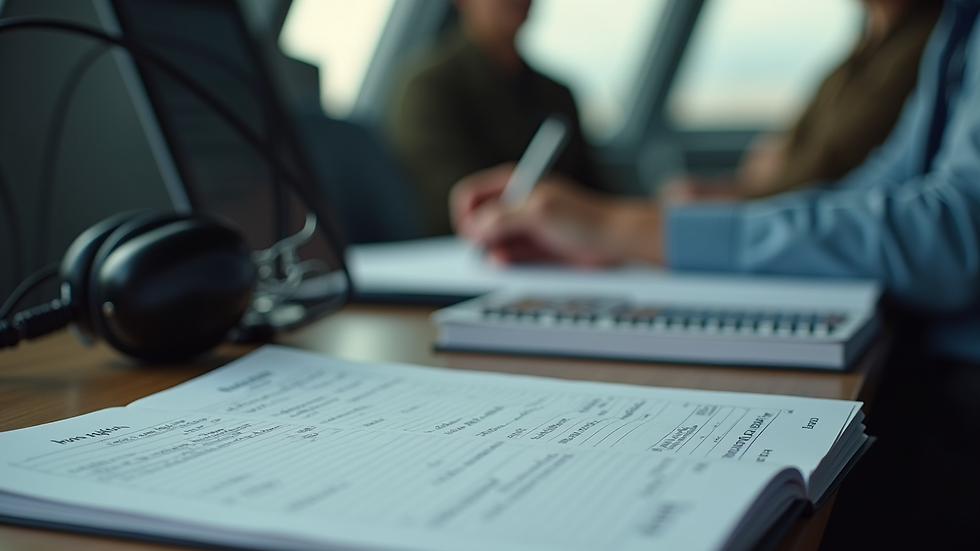
Use a quality headset: Clear audio is essential for understanding detailed explanations.
Apply what you learn: Whenever possible, relate theory to your upcoming flight lessons or simulator practice.
Stay consistent: Even 15-20 minutes daily adds up and keeps your knowledge fresh.
By following these tips, you’ll build a strong foundation in aviation theory and be well-prepared for your practical training.
Taking the Next Step in Your Aviation Journey
Remote pilot training options are transforming how aspiring pilots prepare for their PPL exams. They offer a flexible, accessible, and effective way to master aviation skills. Whether you’re commuting, working, or relaxing, you can make progress toward your dream of flying.
If you want a proven system that fits your lifestyle, consider exploring the remote ppl ground school. It’s designed to make PPL theory accessible and convenient, especially for those who prefer audio learning.
Remember, becoming a private pilot is a rewarding challenge. With the right tools and mindset, you can achieve your goals and enjoy the freedom of flight.
Start your remote training today and take control of your aviation future!


Comments